
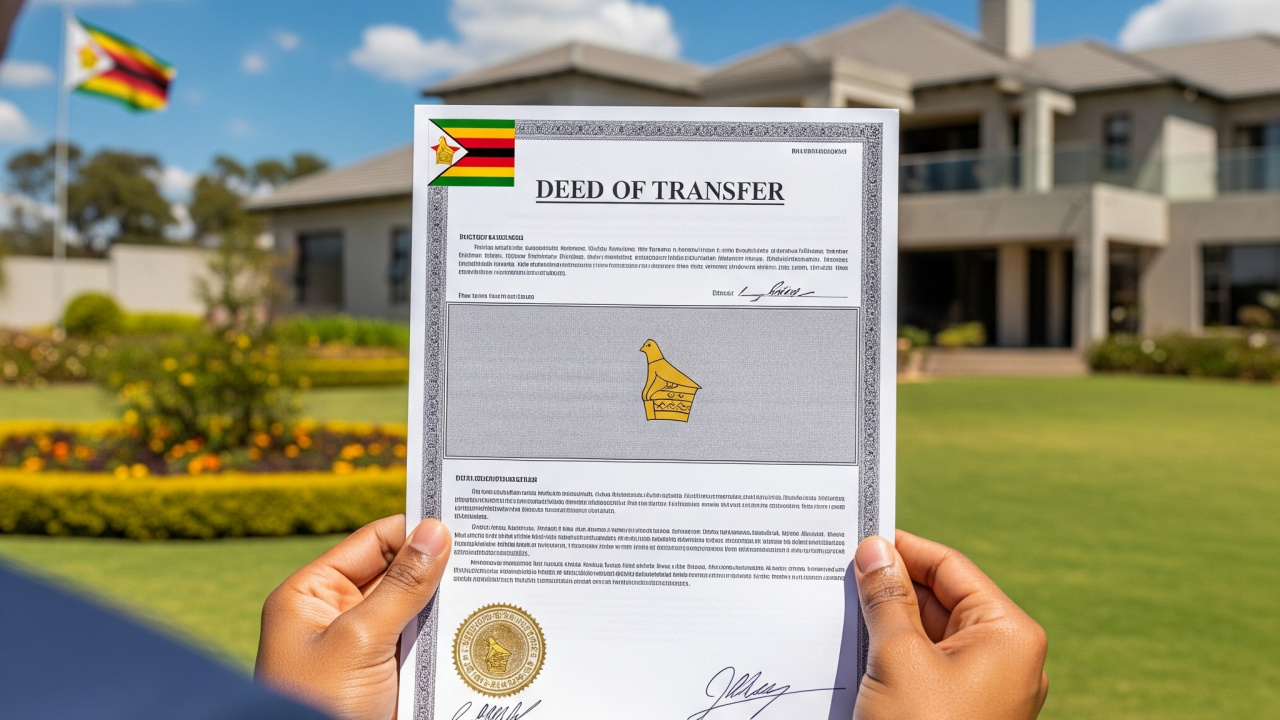
Digitisation and Securitisation of Title Deeds in Zimbabwe.
A New Era for Title Deeds in Zimbabwe
Zimbabwe has introduced a new system for title deeds digitisation and securitisation. This reform comes through the Deeds Registries Regulations, 2025 (Statutory Instrument 76 of 2025). The law operates under the Deeds Registries Act [Chapter 20:05]. It aims to improve security, speed, and trust in property transactions. In simple terms, the government wants to replace paper title deeds with secure digital records.

What is Title Deeds Digitisation and Securitisation?
The new law introduces two key processes:
1. Title Deed Validation in Zimbabwe
First, property owners must submit their original paper title deeds. The Registrar of Deeds will:
- Verify ownership details
- Confirm property information
- Check compliance with the law
This process ensures that each deed is genuine and accurate.
2. Electronic Title Deeds in Zimbabwe
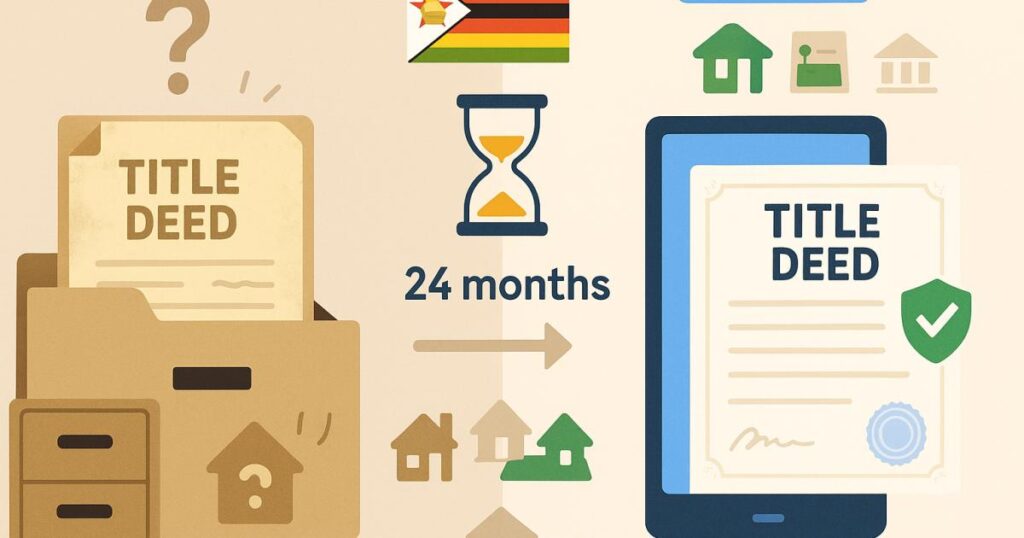
After validation, the Registrar will issue an electronic title deed. This digital deed will:
- Be stored in an electronic deeds registry
- Replace the paper title deed
- Provide secure and easy access
This step is known as title deed securitisation.
Objectives of the Digital Title Deeds System
The main goal is clear. The system aims to replace paper records with secure digital title deeds. Key objectives include:
- Improve security of property records
- Reduce fraud and forgery
- Create a reliable electronic registry
- Speed up property transactions
Problems with the Old Paper-Based System
The old system had many challenges. Common problems included:
- Fraudulent and duplicate title deeds
- Unauthorized property sales
- Lost or misplaced documents
- Slow property transfer processes
These issues caused delays and disputes. They also reduced trust in the system.
Benefits of Title Deeds Digitisation in Zimbabwe
The new system offers many benefits.
1. Reduced Property Fraud
Digital records are harder to forge. This reduces fraud and illegal transactions.
2. Faster Property Transactions
Electronic records allow quick verification. This speeds up transfers and registrations.
3. Secure Digital Storage
The system stores records safely in digital format. This reduces loss or damage.
4. Easy Document Recovery
Lost documents can be replaced fast. Copies can be printed from the registry.
5. Improved Access to Records
Users can access property data more easily. This improves transparency.
6. Better Business Environment
A secure system builds investor confidence. It also improves ease of doing business.
What Property Owners Must Do
Property owners must act within a set timeframe.
Important Deadline
Owners have 24 months from 18 July 2025 to comply. The final deadline is: 18 July 2027
Steps to Follow
- Keep your original title deed safe
- Monitor updates from the Registrar of Deeds
- Consult your legal practitioner
- Prepare for submission when the process starts
As of March 2026, the process has not yet started. The Registrar is still preparing.
Risks of Non-Compliance
Failure to comply may cause serious problems. Possible risks include:
- Rejection of paper title deeds
- Delays in property transfers
- Challenges in mortgage applications
It is important to act before the deadline.
Impact on Property and Investment in Zimbabwe
The reform can transform the property sector. Expected outcomes include:
- Stronger property rights protection
- Increased investor confidence
- Faster real estate transactions
- Improved economic growth
A reliable registry system supports national development.
Conclusion: A Step Towards a Modern Property System
Zimbabwe is moving towards a modern digital property system. The digitisation and securitisation of title deeds will improve security, speed, and trust. Property owners should stay informed and prepare early. This will help avoid future problems.
Disclaimer
This article is for general information only. It does not provide legal advice. For assistance, contact your legal practitioner or email: info@gmachingambilegal.co.zw

Leave a Reply